
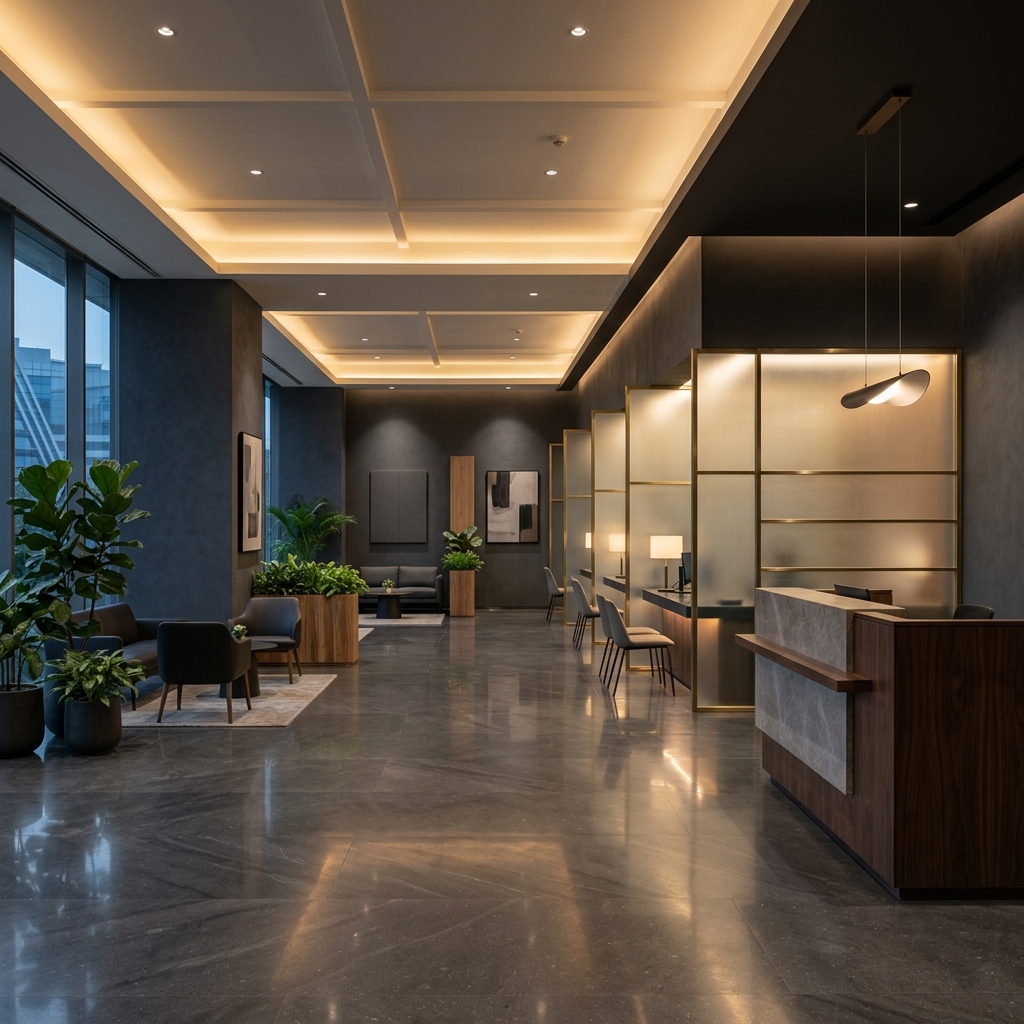
For decades, the physical bank branch was a transactional fortress. Characterized by high security glass, queueing ropes, and cold, imposing counters, its primary architectural directive was clear: protect cash and process deposits. It was a space designed around operations, not people.
However, in the era of smartphone banking, instant fund transfers, and digitized customer onboarding, the foundational premise of retail banking has undergone a structural shift. Customers no longer visit a physical branch to deposit a check or check their balance. These actions are handled in seconds on mobile devices. Yet, the physical bank branch is far from obsolete. Instead, its role has transitioned from a high-volume transactional station to a high-value advisory hub.
Today's bank branch is a destination for critical financial decisions—securing a mortgage, planning retirement, structuring business capital, or navigating complex wealth management. Because the nature of the interaction has changed, the space in which it occurs must change too. Modern bank branch interior design must foster collaboration, convey security without coldness, blend technology seamlessly, and put customer experience at the center of the architectural plan.
1. The "Phygital" Bank: Merging Digital Speed with Physical Trust
The modern bank branch must balance two seemingly opposite forces: digital speed and physical empathy. This hybrid reality is often called the "phygital" space.
When a customer walks into a bank today, they expect the same intuitive speed they get from their mobile app, but with the added layer of human face-to-face trust. The physical interior must reflect this by dividing customer journeys into distinct paths based on their needs.
Seamless Tech-Integration
Instead of hiding technology behind the counter or sticking ATMs awkwardly in the corner, modern design integrates digital portals directly into the physical flow:
- Smart Lobbies & Interactive Kiosks: Positioned at the very front of the branch, these allow customers to perform quick self-service tasks without standing in line. Large, intuitive touchscreens can assist with basic transactions, account setup, or product discovery.
- Digital Discovery Zones: Interactive tables or walls where customers can browse loan options, calculate interest rates, or play out financial planning scenarios using curated digital tools.
- Video Banking Booths: Private, soundproof spaces where customers can connect virtually with off-site specialists (e.g., mortgage brokers or commercial lending officers) who may not be physically present at that specific branch.
By designing the entry zone around self-service technology, the branch reduces friction for routine tasks, freeing up bank staff to focus on consultative conversations.
2. The Death of the Teller Line: Transitioning to Collaborative Advisory Zones
The most visible symbol of traditional banking—the long, imposing teller counter running parallel to a queue of waiting customers—is rapidly disappearing. In its place, designers are implementing layout strategies that encourage dialogue and remove hierarchical barriers.
| Design Element | Traditional Banking Design | Modern Customer-Centric Design |
|---|---|---|
| Primary Focus | Secure transactions & cash processing | Consultative advisory & financial planning |
| Lobby Layout | Rigid lines, queue ropes, high-counter teller barriers | Open floor plans, interactive service pods, lounge seating |
| Physical Barriers | Thick bulletproof glass, high counters, security grills | Low service desks, open consultation tables, semi-private alcoves |
| Atmosphere | Cold, institutional, administrative, clinical | Warm, residential-inspired ("warm corporate"), biophilic |
| Privacy Levels | Low conversational privacy at counters | Zoned acoustics with private and semi-private suites |
Service Pods and Consultation Bars
Rather than standing behind a high counter, branch staff are now positioned at circular service pods or consultation bars. These pods allow the customer and the bank representative to sit side-by-side or at a comfortable angle, looking at a screen together. This simple physical alignment completely changes the psychology of the interaction:
- Shared Workspace: Sitting side-by-side fosters collaboration. It signals that the bank representative is working with the customer rather than conducting an administrative process upon them.
- Increased Flexibility: Staff are no longer tethered to a fixed terminal. Using tablets or laptops, they can move freely around the lobby to assist customers where they stand.
- Reduced Anxiety: High counters can feel intimidating. Lower desks and comfortable seating immediately lower the customer's stress levels, which is crucial when discussing complex financial matters.
3. Advanced Space Planning: The Four Core Zones of the Modern Branch
To optimize flow, security, and comfort, a modern bank branch interior is divided into four distinct zones, each with its own lighting, acoustic, and aesthetic requirements.
Zone 1: The Self-Service Zone (24/7 Lobby)
This zone is positioned at the entry of the branch, often accessible outside of normal operating hours. It must be designed with highly durable, low-maintenance materials (such as porcelain tiles and anti-graffiti surfaces) and bright, safety-oriented lighting. Visual clarity is key here; clear signage must direct users to ATMs and quick-deposit machines.
Zone 2: The Welcome & Discovery Zone
Upon crossing the threshold, customers should be met by a greeter station rather than a queue. This zone acts as a buffer, designed to feel more like a premium hotel lobby than a bank. Features often include:
- Casual Lounge Seating: Comfortable, ergonomic armchairs and sofas arranged to allow for individual waiting or small family discussions.
- Refreshment Station: High-end coffee, tea, and water stations that encourage visitors to relax.
- Wireless Charging & Workplaces: Small desks or side tables equipped with wireless charging pads and USB ports for customers who need to stay productive while they wait.
Zone 3: The Advisory & Consultation Zone
This is the heart of the branch's business. It features a gradient of privacy, starting with open consultation desks, moving to semi-private alcoves, and ending in fully closed, soundproof meeting rooms for private wealth planning or corporate loan discussions. The furniture here is plush and premium, designed to support meetings that can last anywhere from 30 minutes to two hours.
Zone 4: The Secure Back-Office & Operations Zone
While the front of the house is open and welcoming, the back of the house must maintain strict security and administrative efficiency. This zone houses the vault, safety deposit vaults, server rooms, and the staff break room. Layout planning must ensure that staff can move between the back office and the customer zones securely, without exposing sensitive operational areas to the public.
4. Trust Through Aesthetics: Color Palettes, Biophilia, and Textures
Trust is the ultimate currency in banking. While traditional architecture communicated trust through heavy, dark wood panelling and massive stone columns (conveying permanence and strength), modern design communicates trust through transparency, warmth, and sustainability.
Color Psychology
Instead of corporate blue or flat gray, premium branches are shifting to sophisticated, natural palettes:
- Earthy & Mineral Tones: Warm taupes, deep clays, sand tones, and charcoal grays form a neutral, calming foundation.
- Sleek Metallic Accents: Brushed copper, bronze, and brass elements introduce a feeling of premium quality and luxury.
- Sophisticated Greenery & Wood: Natural walnut, oak, and rich forest greens connect the space back to nature.
Biophilic Design Elements
Integrating natural elements into the bank interior has been proven to lower heart rates and reduce anxiety—critical benefits when customers are dealing with high-stress financial situations.
- Living Green Walls: Used as focal features in the lobby, living walls purify the air, absorb sound, and create a dramatic, organic visual anchor.
- Natural Lighting: Maximizing daylight through double-glazed glass facades or skylights makes the space feel open, airy, and transparent.
- Organic Patterns: Incorporating natural textures like travertine stone, textured plaster, and warm wood grain elements brings tactile warmth to an otherwise tech-heavy space.
5. Acoustic and Visual Privacy Engineering
In a financial institution, confidentiality is paramount. If a customer feels that the person sitting next to them in the lobby can hear details of their savings account or mortgage application, they will immediately lose trust in the branch. Therefore, acoustics must be engineered with absolute precision.
Solutions for Open-Space Acoustics
To maintain an open, modern layout while protecting customer privacy, designers employ a multi-layered acoustic strategy:
- Acoustic Baffles & Ceiling Panels: Suspending fabric-wrapped or felt acoustic baffles from the ceiling helps absorb upward-traveling sound waves, preventing echo in double-height spaces.
- Sound Masking Systems: Installing white or pink noise systems that emit a subtle, imperceptible background sound. This system is tuned to match the frequency of human speech, making conversations unintelligible beyond a radius of a few feet.
- Textured Wall Coverings & Carpet: Shifting from polished hard tiles to custom carpet tiles in consultative zones, and using fabric-wrapped wall panels, immediately deadens sound reflection.
- Glass Partition Systems: Using double-glazed acoustic glass partitions for private meeting rooms. This allows natural light to penetrate deep into the branch while keeping conversations completely contained inside the room. Double-glazed systems can achieve high Sound Transmission Class (STC) ratings without blocking visibility.
6. Turnkey Security Integration: Invisible but Absolute
A bank is still a bank. While it must look and feel like a modern, welcoming lounge, it must meet the most rigorous security protocols. The challenge for a design-and-build firm is to integrate these systems so seamlessly that they are virtually invisible to the customer.
- Integrated Access Control: Biometric, card, or facial recognition systems restricted to employees must be cleanly built into doors and partitions, blending into the interior architectural metalwork.
- Aesthetic Surveillance: High-definition cameras should be placed strategically for full coverage, but integrated within recess points, light fixtures, or subtle ceiling details rather than hanging conspicuously.
- Reinforced Structures: Bullet-resistant panels (FRP) and reinforced drywall partitions are installed behind counters and walls in the operational zone, maintaining a clean drywall appearance on the outside while offering certified ballistic protection underneath.
- Safe Rooms & Vault Engineering: Designing class-certified vault doors and secure rooms that align perfectly with the surrounding interior finishes, avoiding the raw, unfinished concrete look of legacy vault spaces.
7. The Future of Banking Architecture: Agile and Community-Focused
As the financial landscape continues to evolve, the physical bank branch must be designed for longevity. Rigid, cast-in-stone layouts are a liability. Instead, modularity and agility are key.
Modular Furniture & Movable Walls
Designing a branch with raised flooring allows power and data cables to be re-routed anywhere in the room in a matter of hours. Using modular furniture systems and demountable glass walls ensures that if the branch needs to transition from three private offices to two service pods next year, it can do so without a disruptive, full-gut construction process.
The Community Hub Model
Some forward-thinking banks are designing their branches to double as community hubs. They feature modular layouts that can host local business seminars in the evening, co-working tables for remote professionals during the day, or popup galleries for local artists. By transforming the branch into a center of local economic and social life, the bank builds brand loyalty that no digital app can replicate.
"The most successful bank branches don't just secure money; they secure relationships. Good design makes a brand feel accessible, and layout planning determines the depth of trust you build."
Designing Your Financial Hub with JayK Infra N Design
Redefining a banking space requires a deep understanding of corporate strategy, brand identity, local customer demographics, complex acoustics, and rigid security standards. As a leading design-and-build commercial interior firm in Delhi NCR and Pan-India, JayK Infra N Design manages the entire cycle—from structural space planning and 3D architectural renders to turnkey fit-out, acoustic engineering, and security integration.
We create financial hubs that protect your assets, represent your brand, and most importantly, build trust with the customers who walk through your doors. Contact hello@jaykinfra.com to start your banking space planning.